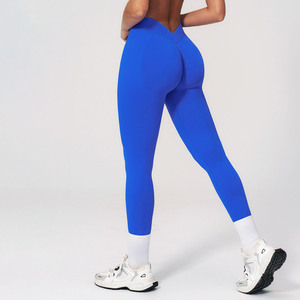
Precision-knitted on 28-gauge Santoni circular platforms, optimized for zero chafe points, high tensile recovery, and squat-proof opacity.
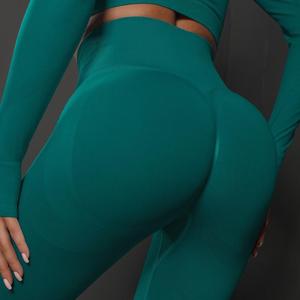
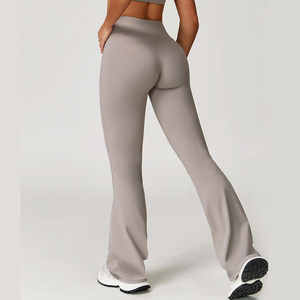
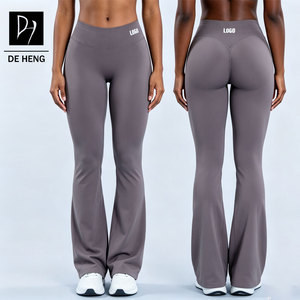
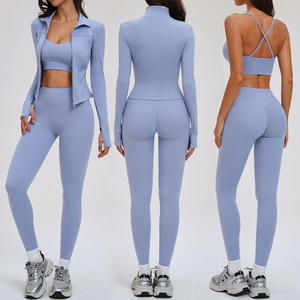
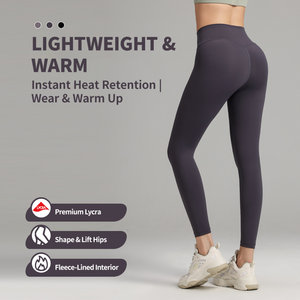
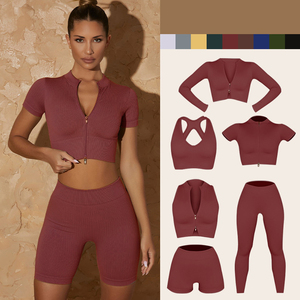
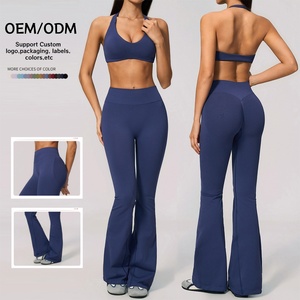
The global compression activewear market has experienced an irreversible architectural shift away from labor-heavy flat cut-and-sew panels toward computer-programmed tubular circular knitting. For premier apparel brands expanding into highly sophisticated consumer territories—most notably Japan, Germany, and the Scandinavian corridor—garment construction is no longer judged solely on exterior styling, but on structural integrity, stitch-by-stitch engineering, hydro-thermal regulation, and tactile luxury.
Japanese consumers exhibit the most demanding quality threshold in the global performance apparel industry. In Japan, athleisure has converged with high-density urban commuting, private reformer Pilates culture, boutique hot yoga chains (such as LAVA and CALDO), and the ubiquitous modern phenomenon of "One-Mile Wear" (ワンマイルウェア). For an original design manufacturer (ODM) or original equipment manufacturer (OEM) to successfully serve Japanese trading companies (Shosha) and contemporary lifestyle labels, factory capabilities must go far beyond conventional stitching. They demand strict compliance with Japanese Industrial Standards (JIS L 1096), zero skin abrasion, muted monochromatic colorfastness (Grade 4.5+), and squat-proof opacity that retains breathability under intense humidity.
This industry benchmarking report reviews the Top 10 Seamless Yoga Pants Manufacturers operating worldwide, analyzes how technical production facilities satisfy the rigorous operational demands of serving Japan, and reveals the engineering differentiators of Overfit Seamless—an agile European manufacturing powerhouse operating 20 in-house Santoni Top2V knitting platforms in İstanbul with global supply chain reach.
Selecting the right OEM partner requires balancing technical knitting capabilities, minimum order volumes (MOQ), yarn chemistry expertise, and logistical lead times. Below is an engineering evaluation of the premier manufacturing companies supplying top-tier yoga wear across APAC, Europe, and the Americas.
Activewear consumption in Japan is characterized by cultural nuances distinct from Western markets. In the United States and Europe, bold compression, aggressive butt-lifting contouring, and vibrant fluorescent palettes dominate gym aesthetics. In Japan, yoga apparel functions in refined, multi-purpose urban ecosystems where modesty, tactile softness, sensory minimalism, and transit manners reign supreme.
Over 60% of structured yoga in Japan occurs in controlled studio environments heated to 38°C–40°C with 65% relative humidity. Seamless pants must incorporate Polyamide 6.6 with micro-mesh jacquard zones behind the knee and lumbar area. Fabrics must maintain 100% zero-transparency even when fully saturated with sweat, resisting clinging while eliminating inner thigh chafing during 60-minute Vinyasa flows.
Japanese working women navigate high-density train commutes across Yamanote line transit hubs (Shibuya, Shinjuku, Ginza). Athleisure pants must bridge studio training and public spaces without causing social self-consciousness. High-waisted seamless bell-bottoms and flare pants with gentle mid-waist support provide sleek, elongated leg silhouettes without conspicuous athletic logos or exaggerated glute ruching.
Reformer studios in Minato and Omotesando require high garment elasticity that moves smoothly across padded carriage surfaces. Traditional cut-and-sew leggings have raised flatlock side seams that press uncomfortably into the trochanter bone during lateral lying leg presses. Seamless circular knits provide a frictionless, second-skin glide, ensuring flawless body posture tracking for instructors.
When engineering seamless activewear collections targeted at Japanese distributors or global brands sourcing for APAC retail, manufacturers must integrate five macro textile innovations:
Japanese consumers prioritize Hada-Atari (肌当たり, how a textile physically touches and caresses human skin). Coarse yarns or rough elastane loops cause immediate product returns. The market demands micro-denier, air-jet texturized nylon 6.6 with subtle peached finishes that deliver a cloud-like, buttery-soft handfeel without pilling after repeated home launderings.
Neon colorways fail in the Japanese domestic market. Purchasing data confirms dominant preferences for desaturated, earthy, pastel palettes: matcha green, smoked lilac, warm ecru, charcoal slate, sumi black, and sakura blush. Seamless mills must feature precision laboratory color matching with tight delta-E tolerances (ΔE < 0.6) across distinct production dye lots.
Japanese Department Stores (Isetan, Hankyu) and lifestyle chains impose zero tolerance for color migration during high-friction hot yoga. Yarns must undergo rigorous testing: JIS L 0844 (Washing fastness Grade 4-5), JIS L 0849 (Rubbing fastness Grade 4+), and JIS L 1058 (Anti-snagging bean bag test Grade 3.5+). Compliance must be proven at pre-shipment inspection.
Understanding the fundamental engineering differences between Santoni circular tube knitting and standard flat-panel assembly is crucial for brand managers calculating BOM margins, durability, and customer satisfaction.
| Evaluation Parameter | Overfit Seamless (Santoni Top2V Gauge 28) | Traditional Cut-and-Sew Apparel |
|---|---|---|
| Structural Integrity | Continuous circular cylinder; 100% zero side seams; eliminates lateral bursting points | Multiple flat panels joined via 4-needle 6-thread flatlock stitching |
| Targeted Body Contouring | Compression and mesh zones programmed directly into the CAD loop structure | Requires cutting multiple distinct panels, adding weight and seam friction |
| Fabric Waste / Sustainability | Under 4% residual scrap; garments are knitted directly to exact anatomical specs | 16%–24% textile offcuts discarded from marker cutting tables |
| Chafing & Pressure Marks | Silky interior face; zero ridge abrasions against skin during dynamic yoga poses | Overlock and flatlock seams can cause skin indentations and red friction lines |
| Development Agility | Design modifications updated digitally via machine program code in hours | Requires new physical paper patterns, marker nesting, and blade tooling setups |
| Batch Minimums (MOQ) | 1,000 units per style (flexible splits: up to 2 sizes and 3 custom colors) | Typically requires large fabric mill dyeing minimums (3,000+ pcs per fabric) |
Based in Beylikdüzü, İstanbul, Overfit Seamless delivers an agile, transparent alternative to opaque trading agents and rigid mass-market Asian producers. We bridge the gap between technical European machinery precision and competitive global wholesale economics.
We do not broker your orders or outsource your production to uncontrolled third-party jobbers. Every seamless legging, bra, and short is knitted directly on our 20 proprietary Italian Santoni Top2V machines (Gauge 28), ensuring micron-level stitch precision, consistent tube elasticity, and spotless surface hygiene throughout the production run.
Because technical programming and knitting occur on our own factory floor, our technicians translate your tech pack, sketch, or physical counter-sample into a programmed machine test within days. We ship physical fit samples via international air express in just 5–7 working days, cutting months off your seasonal product launch calendar.
Unlike massive industrial conglomerates demanding 5,000 to 10,000 units per colorway, our baseline MOQ is an accessible 1,000 pieces per style. Within that 1,000-piece commitment, you can split production into up to 2 sizes and 3 custom lab-dipped colors (e.g., 500 Size S/M and 500 Size L/XL across 3 colorways), enabling real-world market validation with minimized inventory risk.
Clear, direct technical answers addressing the most common questions raised by Japanese trading companies, quality controllers, and global brand merchandisers.
Western activewear sizing typically runs longer in the inseam (27"–29") and features dramatic waist-to-hip contour ratios. For the Japanese domestic market, we program circular knitting tubes with adjusted axial pull-down tension to produce cropped 7/8 or 24"–25" inseams, a proportionally shorter rise, and softer lumbar compression bands. This prevents excess fabric bunching at the ankles and avoids waist pinching, delivering a comfortable, flattering fit for East Asian body frames.
Yes. All raw filament polyamide and elastane yarns are certified under OEKO-TEX Standard 100 Class I (safe for prolonged direct dermal contact). Our partner dyeing and finishing mills operate high-temperature jet-dyeing vessels that achieve Grade 4.5+ colorfastness to washing, water, perspiration, and dry/wet crocking under international ISO and Japanese JIS test protocols, ensuring zero color bleed during hot yoga or commercial laundry.
Our standard production baseline is 1,000 pieces per silhouette/style. Within that 1,000-piece production run, we allow splits across up to 2 distinct sizes and up to 3 individual colorways (for example: 500 units in Charcoal, 300 units in Matcha Green, 200 units in Dusty Rose). This flexibility enables brands to test curated seasonal palettes and varied size distributions without excessive overstock exposure.
Light-colored seamless leggings (such as ecru, beige, and baby blue) require specialized fiber engineering. Rather than simply packing extra grams of heavy yarn—which makes garments thick and suffocating—we integrate high-filament micro-nylon 6.6 combined with inter-loop plating technology and black-dope covered elastane. This dense knitting matrix ensures our leggings pass strict 90-degree bend opacity tests under direct studio lighting without compromising breathability.
For urgent replenishment orders or high-value capsule launches, express air cargo from İstanbul Airport (IST) to Tokyo Narita (NRT) or Haneda (HND) takes just 3 to 6 business days. For bulk sea freight, standard container transport from Ambarlı Port (located directly adjacent to our Beylikdüzü factory) to Tokyo or Yokohama ports averages 28 to 34 days, offering a dependable and cost-efficient shipping pipeline.
Yes. We offer complete OEM and ODM private-label packaging. This includes elastomeric silicone heat-transfer logos that flex without cracking, high-definition ultrasonic woven care tags, custom biodegradable polybags, Barcode / JAN code stickers, and Japanese Household Goods Quality Labeling Act compliant care instructions (JIS L 0217 / ISO 3758 wash symbols).
Connect directly with the production team at Overfit Seamless in Beylikdüzü, İstanbul. Share your tech pack, sample reference, or design concepts, and receive technical yarn recommendations, prototype schedules, and transparent volume quotations within 24 hours.
Get a Quote