
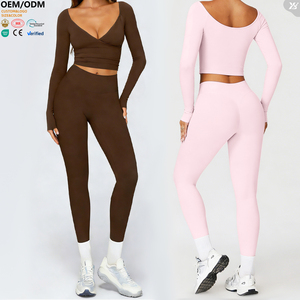
XW-ACX8002-2+ACK8002-1 New Arrivals Gym Clothing Fitness Fashion V Neck Custom Workout Outfit 2 Piece Sports Yoga Wear Set
Gauge 28 Seamless
MOQ: 1,000 pcs
Fabricated to balance compression, thermal regulation, and squat-proof opacity across regional sub-zero and humid active climates.
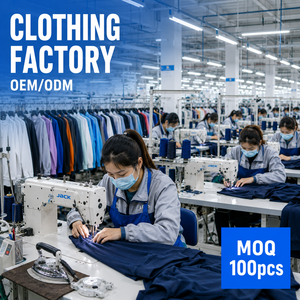
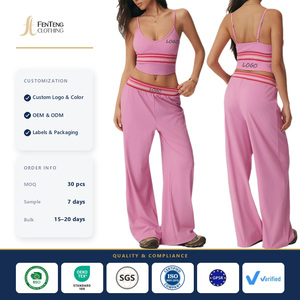
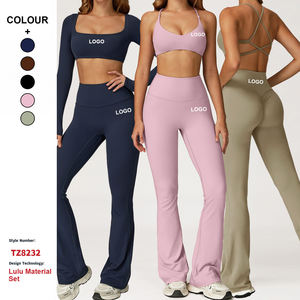
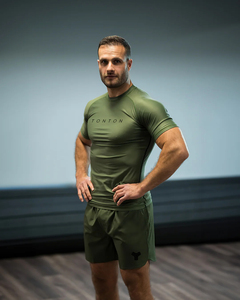
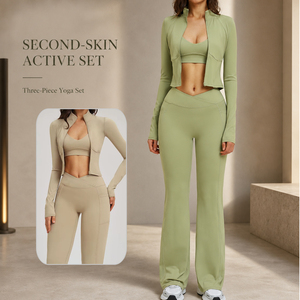
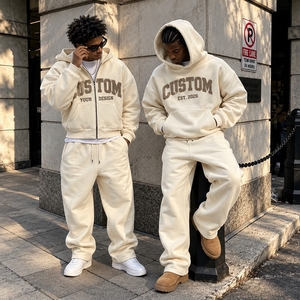

An operational analysis for apparel founders and sourcing directors evaluating the top cut-and-sew apparel facilities in Canada versus direct technical circular knitting mills.
Canada’s domestic garment hubs across Vancouver, Montreal, and Toronto maintain exceptional craftsmanship in premium cut-and-sew fleece, heavy cotton tracksuits, and tailored outerwear. However, high domestic labor rates ($22–$34/hr CAD shop floors) and raw elastane import dependencies frequently compress net retail margins on technical compression leggings below 42%.
By engineering activewear on Santoni circular knitting machinery, yarn cones of polyamide 6.6 and elastane are spun directly into 3D ergonomic tubes. This eliminates cutting scrap by over 30%, reduces internal chafing seams, and allows graduated pressure mapping directly across the quadriceps and abdominal core without separate fabric inserts.
Canadian activewear brands importing apparel operate under strict CBSA tariff schedules (Chapter 61 & 62 averaging 17–18% standard MFN tariff). Transitioning from cut-and-sew wastage to direct seamless manufacturing provides a per-unit landed reduction up to 35%, fully offsetting customs liabilities while delivering superior hand-feel.
| Evaluation Parameter | Canadian Cut-and-Sew Facilities | Our In-House Seamless Knitting |
|---|---|---|
| Structural Seam Placement | Multiple flatlock or overlock side seams required; potential friction zones. | 100% Tubular Knitting; zero side seams for frictionless 4-way glide. |
| Fabric Waste / Scrap Yield | 15% to 22% scrap loss during marker pattern nesting and cutting. | < 3.5% Fiber Waste; exact yarn lengths fed directly into tube contours. |
| Compression Mapping | Requires distinct fabric cutouts sewn together with varying tension bands. | Digital Loop Tuning; compression zones programmed stitch-by-stitch. |
| Sampling Velocity | 3 to 6 weeks depending on domestic roll goods inventory availability. | 5 to 7 Days; software-coded patterns loaded straight to Santoni creels. |
| Target Retail Margin | Typically 40% – 52% due to high labor hour per garment unit. | 62% – 78%; engineered for healthy DTC and wholesale scaling. |
Canadian consumer expectations require apparel that performs across dynamic meteorological realities—from high-humidity indoor Pilates studios to cold-weather transition running.
Coastal British Columbia demands high moisture management and water-wicking microfibers. Activewear lines here require high-elastane (20-25%) blends treated with hydrophilically enhanced yarn coatings that shed damp ocean drizzle during morning seawall runs without losing structural hold.
Eastern Canadian metro hubs endure broad seasonal extremes. The localized trend prioritizes high-density 320–380 GSM thermal seamless leggings and 450 GSM pure cotton heavyweight fleece layering systems capable of retaining body warmth at -15°C yet breathing indoors during studio training.
From Calgary to Edmonton, strength conditioning and indoor functional fitness remain dominant. Our specialized gauge-28 interloop prevents transparency at maximum joint flexion (90-degree squats), solving the primary return defect reported by Canadian online activewear shoppers.
Since 2019, Overfit Seamless has operated as an autonomous manufacturing facility—not a trading liaison or drop-shipper. All programmatic loop knitting occurs on 20 owned Santoni Top2V machines in Beylikdüzü, ensuring proprietary pattern confidentiality and consistent tensile integrity across every shipment.
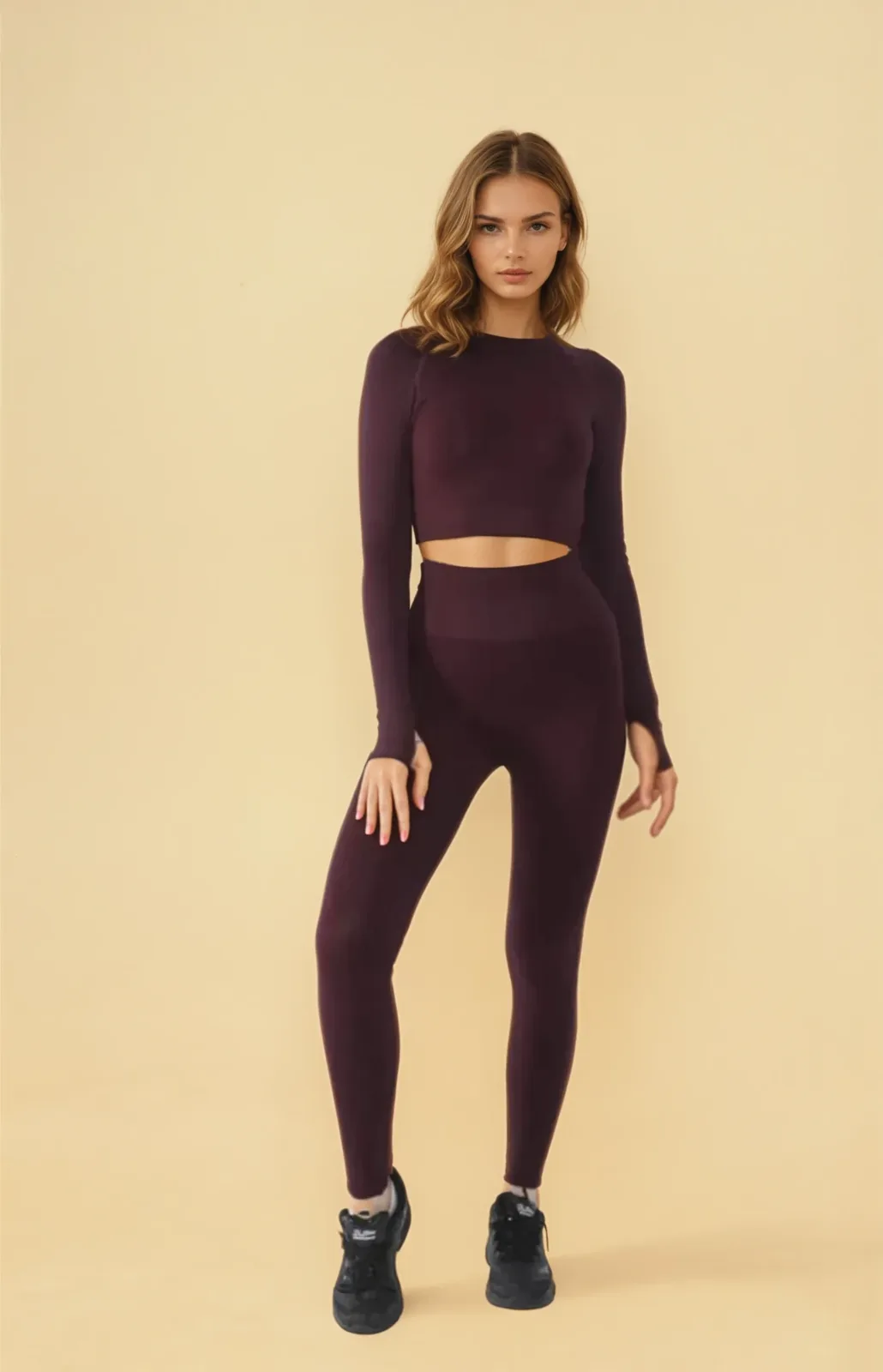
Crucial commercial and regulatory insights for Canadian apparel entrepreneurs, merchandise planners, and supply chain leads.
Under the Canada Border Services Agency (CBSA) customs customs tariff (Chapter 61 for knitted apparel), seamless synthetic garments typically carry a standard rate of 18%. Working with direct factory producers significantly lowers the per-piece Transaction Value (commercial invoice basis), resulting in markedly lower total duty and GST payments at the port of clearance compared to purchasing marked-up agent stock.
The Canadian Textile Labelling Act mandates that consumer activewear labels must disclose generic fiber content percentages and identify the dealer identity (CA number or complete corporate entity name) in both official languages: English and French. We integrate fully compliant dual-language heat-transfer back-neck labels or woven care tags during mass packing.
Our standard commercial MOQ is 1,000 finished pieces per style. Within this batch, clients have the operational flexibility to divide sizing across two body grades (e.g., 500 Medium / 500 Large) and distribute the run across up to three distinct lab-dipped Pantone colorways, minimizing inventory lock-up.
Because machine programming, digital knitting simulation, and yarn creeling happen in our facility without external pattern maker delays, we cut technical prototyping timelines from months down to under one week. Fit corrections are keyed straight into software parameters, enabling Canadian brands to capture fast micro-trends.
Yes. Using high-gauge (Gauge 28) interlock knitting with multi-filament polyamide and high-recovery core-spun spandex, our machines generate high loop density. This creates full squat opacity and muscular contouring without adding unwanted thermal bulk or compromising fabric breathability.
Send your tech pack, CAD drawing, or target benchmark garment to our engineering desk. Receive rapid yarn recommendations, cost projections, and lab-sample scheduling within 24 business hours.
Get a Quote