
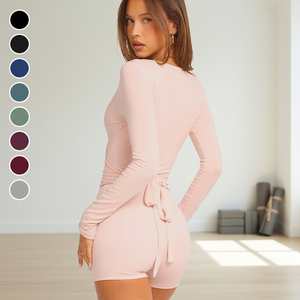
High-gauge technical knits engineered for anatomical gradient compression, breathability mapping, and shape retention across commercial fitness verticals.
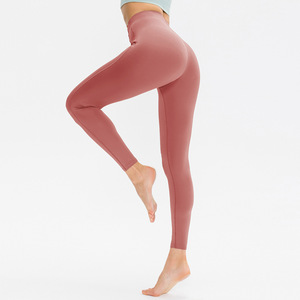
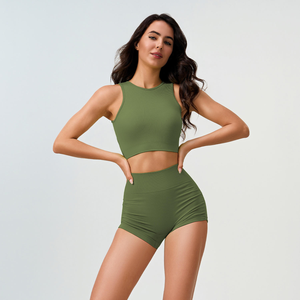
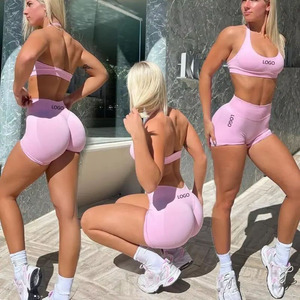
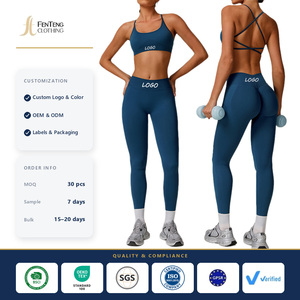
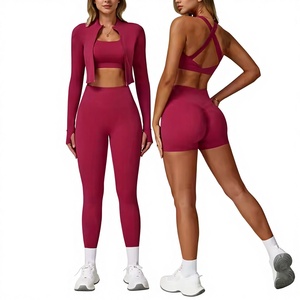
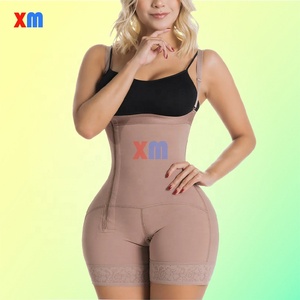
Direct production infrastructure located at the strategic logistics crossroads of Beylikdüzü, İstanbul—eliminating intermediary markups and freight bottlenecks.
Unlike trading agents, our entire activewear portfolio is produced on in-house Santoni Top2V gauge 28 circular knitting machines. We eliminate third-party subcontractor friction, ensuring uninterrupted control over density, tension consistency, and structural durability.
By translating 2D tech packs or 3D CLO digital renders directly into proprietary machine knitting programs in-house, we eliminate multi-week sampling delays. First-round wearable fit samples are completed and prepared for dispatch in 5 to 7 working days.
We solve the traditional high-volume entry barrier of industrial circular knitting. Our structured MOQ of 1,000 pieces per style permits up to 2 distinct sizes and 3 bespoke Pantone lab-dip colorways, drastically mitigating inventory liability for growing fashion labels.
Operating out of İstanbul, Türkiye, shipments reach key European retail hubs via road freight within 3–7 business days, bypassing the 35–45 day ocean freight uncertainties and demurrage risks of Far-East supply chains.
Benefit directly from Türkiye’s formal Customs Union framework with the European Union, which grants zero-tariff access on eligible industrial textiles, simplifying landed cost calculations and customs clearance paperwork.
We provide full-service branded delivery: heat-transfer label application, recycled hangtags, custom siliconized waistbands, branded biodegradable polybags, and pre-sorted export cartons ready for Amazon FBA or DTC fulfillment centers.
The transition from generic sports apparel to technical athleisure has overhauled international procurement strategies. Modern buyers are moving away from traditional cut-and-sew assembly toward seamless circular tubular knitting. Below is an engineering and commercial analysis for merchandising directors, brand founders, and technical design teams looking to optimize product performance and unit economics.
Traditional athletic garments rely on flat fabrics cut into irregular pattern shapes and stitched together with extensive flatlock or overlock stitching. This legacy approach creates two inherent liabilities: significant micro-abrasion friction against the skin during athletic movements, and a material waste factor between 15% to 22% during fabric cutting markers. Seamless circular engineering knits the garment directly as an anatomical tubular cylinder, weaving variable elastane yarn tensions directly into the structure to create ergonomic support zones without cut seams.
| Evaluation Factor | Seamless Circular Knitting (Santoni Top2V) | Cut-and-Sew Flatlock Assembly | Procurement Impact |
|---|---|---|---|
| Pre-Production Cutting Scrap | Below 3% (Yarn programmed directly into form) | 15% – 22% (Marker off-cuts) | Drives higher sustainability ratings & raw material cost efficiency. |
| Chafe Resistance & Comfort | Continuous interior surface; no lateral side seams | Multiple intersecting panel seams | Significantly reduces post-sale return rates in high-intensity lines. |
| Targeted Body Contouring | Computerized loop variations (Rib, Mesh, Plain) in one tube | Requires piecing multiple fabrics with different tensions | Permits sophisticated single-garment ventilation and core shaping. |
| Structural Tensile Recovery | True four-way multidirectional elongation | Constrained by seam thread elongation thresholds | Eliminates burst seams and thread degradation during squat tests. |
Technical product lines are undergoing rigorous regulatory and consumer scrutiny regarding synthetic fiber lifecycles. Global procurement metrics show three non-negotiable vectors dominating buyer requirements for 2025 and beyond:
Mechanically and Chemically Recycled Polyamide 6.6 (Nylon): Activewear brands are transitioning from virgin crude-oil-based polymers to certified GRS (Global Recycled Standard) recycled nylon yarn derived from abandoned fishing nets and post-industrial fiber waste. When knitted on gauge 28 Santoni machinery, certified recycled yarns match virgin fibers in tensile strength, abrasion resistance, and ultra-soft tactile handfeel.
Solution-Dyeing (Dope Dyeing) Technology: Conventional piece-dyeing uses substantial water volumes and thermal energy. High-efficiency factories are investing in solution-dyed yarns, where pigments are integrated directly into the molten polymer before filament extrusion. This process reduces factory water consumption by up to 80%, cuts greenhouse gas emissions, and delivers near-flawless colorfastness against wash wear, sweat, and UV exposure.
Body-Mapped Micro-Ventilation Architecture: Rather than relying solely on chemical topical finishes that wash out after 20 commercial laundry cycles, next-generation athleisure integrates open eyelet mesh jacquard structures directly into high-perspiration zones (lumbar regions, inner thighs, underbust panels) during the primary knitting phase. This provides permanent, mechanically active thermal regulation throughout the garment's operational lifespan.
To avoid sampling loops and accelerate time-to-market, procurement managers should provide specific parameters when submitting tech packs to our engineering floor:
Elastomeric Fiber Ratio: Specify the targeted modulus. For low-impact leisure and Pilates collections, an 80/20 or 85/15 Nylon-to-Spandex matrix delivers supple handfeel. For high-impact running or shapewear-oriented waistbands, we configure 75/25 high-gauge compression tension.
Grams Per Square Meter (GSM) Requirements: Our circular machinery typically knits between 240 GSM (lightweight, second-skin base layers) up to 340 GSM (heavyweight, 100% squat-proof compression leggings that ensure complete opacity under intense studio lighting).
Pantone Matching System (TCX/TPX): To guarantee color fidelity across tops and bottoms knitted on different machine cylinder diameters, supply accurate Pantone Smart Color Swatch codes for laboratory lab-dip matching.
Clear, direct answers regarding minimums, sampling cycles, supply chain compliance, and international shipping protocols.
We are a direct manufacturer. Our primary knitting facility is located in Beylikdüzü, İstanbul, equipped with 20 proprietary Santoni Top2V circular machines. We do not maintain off-the-shelf clearance inventory; every order is knitted specifically for your brand according to your custom specifications, colors, and yarn requirements.
Our standard production run is 1,000 pieces per style. Within that 1,000-piece commitment, you can split production across up to 2 distinct sizing tiers (e.g., 500 Medium / 500 Large) and up to 3 custom lab-dipped colorways, keeping production volume aligned with retail sales velocity.
Prototype fit samples are dispatched within 5 to 7 business days following digital machine pattern confirmation. Bulk production runs typically ship within 4 to 6 weeks following sample sign-off and lab-dip approval, depending on aggregate order volume and custom yarn availability.
Yes. If you have reference garments, concept mood boards, or fit samples, our in-house technical patternmakers can reverse-engineer the knitting sequences, yarn counts, and tension zones to create professional manufacturing specifications for your brand.
Opacity in seamless knitwear is a function of machine gauge, stitch density, and yarn count selection. We utilize high-precision 28-gauge Santoni cylinders and air-covered elastomeric yarns at 280–320 GSM, ensuring complete coverage under high-extension squat testing before clearing bulk production.
We routinely export under EXW, FOB (İstanbul Port / Airport), and DDP (Delivered Duty Paid) arrangements directly to corporate warehouses across North America and the EU. Our logistics team handles consolidated airway bookings, full-container loads (FCL), and express road transport.
Submit your technical specifications, request standard swatches, or schedule a virtual technical consultation with our engineering team in İstanbul today.
Inquire Now