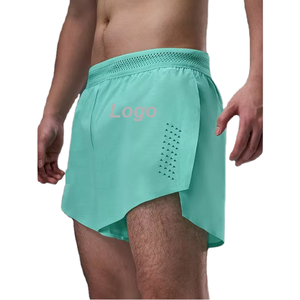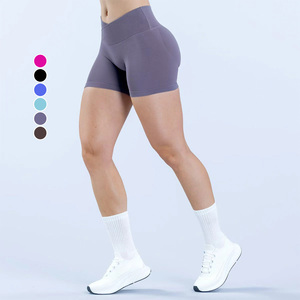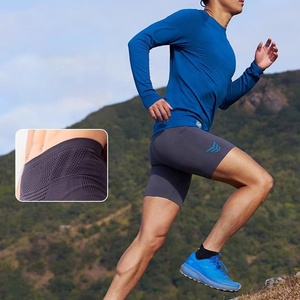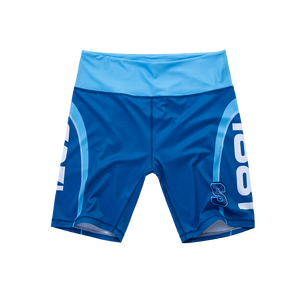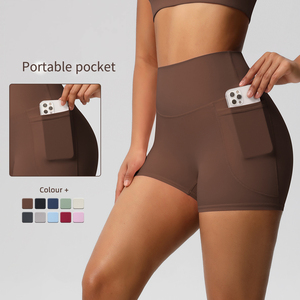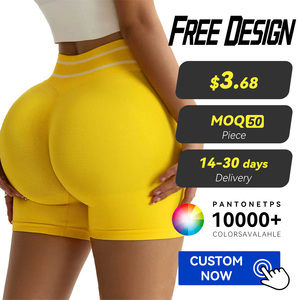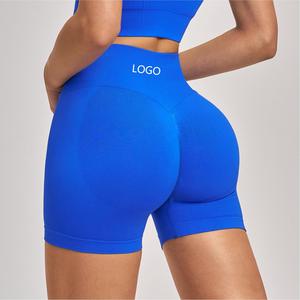
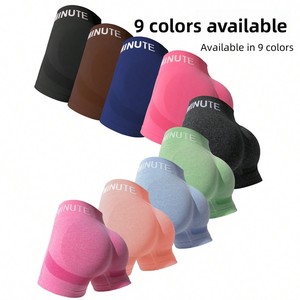
Constructed from body-mapped hollow nylon 6.6 and double-covered Spandex, these styles eliminate lateral inseams, eradicate chafe points during marathon friction, and ensure targeted biometric muscle support.
Seamless performance running wear is not cut-and-sew apparel; it is precision mechanical engineering. Our vertically integrated production ecosystem merges Italian machinery, micro-denier yarn science, and proprietary finishing chemistry.
Operating fleet batteries of genuine Santoni 28-Gauge Top2V machines, we knit anatomical tubular blanks directly from CAD files. Machine-driven loop selection allows instantaneous transitioning from dense 40D stabilizing compression ribs to micro-eyelet breathable panels without a single physical seam.
Yarn formulation determines handfeel, resilience, and opacity. We engineer our running shorts utilizing Nylon 6.6 ATY (Air-Textured Yarn) combined with Creora® HighClo elastane, ensuring exceptional recovery under intensive repetitive stretching and continuous UV perspiration exposure.
Eliminate standard 8-week developmental bottlenecks. Our on-site programming teams translate 3D Clo3D and Browzwear designs into Santoni machine language within 48 hours. Finished proto samples undergo in-house tensile & wash testing before express delivery to your brand HQ.
For athletic running brands targeting high customer lifetime value (LTV), garment failure commonly stems from seam abrasion, thread breakage, and localized pressure constriction. Review how these production models compare in industrial testing.
| Evaluation Parameter | Advanced Seamless Circular Knitting | Traditional Cut & Sew Assembly | Commercial Sourcing Impact |
|---|---|---|---|
| Inseam Construction | Tube Formed / Zero Lateral Seam | Overlocked 4-Thread Stitched | Prevents inner thigh chafing during 20km+ distance road running. |
| Fabric Scrap Waste | < 1.8% Yield Loss | 15% - 22% Cut Margin Scraps | Drastically lowers raw material spend and supports Scope-3 ESG benchmarks. |
| Targeted Body Mapping | Programmable stitch-by-stitch | Requires multiple stitched panels | Mesh ventilation and stabilizing ribs are integrated without added weight. |
| Tensile Recovery & Bursting | > 650 kPa (ASTM D3786) | 380 - 450 kPa (Seam Stress Zones) | Squat-proof durability under extreme hamstring and pelvic torque. |
| Lead Time on Alterations | Direct software code edit (Hours) | Physical pattern re-grading (Days) | Accelerates seasonal collection release cycles by 40%. |
The running apparel sector has transitioned from simple aesthetic athleisure to technical orthotic compression wear. Brands scaling in 2026 must embed these four manufacturing disciplines into their upcoming tech packs.
Modern running biomechanics requires variable pressure mapping. By utilizing multi-feeder computerized tension regulators, we program graduated mmHG compression directly into the quadricep envelope while preserving unrestricted diaphragmatic freedom across the lower abdominal band.
Instead of relying on topical chemical wicking finishes that wash out within 20 cycles, our knitting floor utilizes dual-layer structural push-pull plating. The inner skin face incorporates hydrophobic polypropylene, instantly pumping sweat to the capillary nylon exterior where it rapidly evaporates.
Marathon running shorts increasingly integrate 2-in-1 hybrid liners. We fuse ultra-lightweight 80-gauge seamless inner support briefs with technical laser-cut external shells using ultrasonic thermal tape lamination, eliminating mechanical needle perforations completely.
Through programmed circular jersey knit alterations, our shorts build 3D architectural contouring without adding seams. High-gauge 320 GSM tuck-stitch arrays beneath the gluteal fold provide optical lifting properties while retaining total squat opacity.
Global supply chain disruptions, margin compression, and stricter import tariffs require sourcing directors to re-architect their B2B activewear procurement models. Here are the macro shifts shaping manufacturing contracts.
The days of rigid 10,000-piece production minimums per colorway are obsolete. Progressive OEM partners offer structured flexible programs (such as 1,000 pcs per style split across 2 sizes & 3 colorways). This agile replenishment allows brands to test experimental hues and seasonal cuts without incurring costly deadstock liability.
European and North American regulatory bodies (such as the EU Corporate Sustainability Due Diligence Directive) now mandate verified supply chain transparency. Our production lines seamlessly feed GRS-certified post-consumer recycled Nylon 6 (ECONYL® equivalents) and bio-based plant elastane into running shorts runs with full transaction certificates.
By providing verified yarn tension data files directly to brand designers, physical sample rounds are reduced from four iterations down to one. Accurate drape, elongation, and opacity simulations can be finalized digitally prior to circular machine spindle setup, saving thousands of dollars in initial R&D costs.
Clear, technically rigorous answers covering Minimum Order Quantities (MOQs), yarn formulations, testing protocols, and international shipping lead times.
Our standard production run minimum is 1,000 pieces per style. Within this 1,000-piece allocation, we allow brands to break down orders into up to 2 sizes and up to 3 custom Pantone colors (for example: 500 Medium and 500 Large, split across Black, Slate Blue, and Terracotta). This provides emerging labels and established DTC activewear brands the flexibility to merchandise coordinated seasonal sets without excessive inventory risk.
Because all Santoni programming and knitting machines are operated on our own factory floor (never outsourced to secondary contractors), custom prototype samples are ready in 5 to 7 business days following tech pack confirmation. Bulk commercial production generally requires 25 to 35 calendar days depending on yarn inventory and specialized dying schedules, with urgent sea/air export hand-offs arranged via global freight hubs.
For dedicated running shorts requiring rapid moisture transit and squat-proof opacity, we recommend an 80% Polyamide (Nylon 6.6) / 20% Elastane blend knitted at 260 to 290 GSM. For lightweight marathon 3" split shorts with built-in compression liners, a dual configuration of 140 GSM outer shell paired with a 210 GSM micro-perforated inner brief yields optimal thermodynamic equilibrium.
Yes. As a full-service OEM/ODM facility, we provide end-to-end custom branding solutions. We execute high-stretch reflective silicone transfers (guaranteed up to 50 home washes at 40°C), knitted-in jacquard brand identifiers, woven labels, eco-friendly FSC-certified hangtags, and custom recycled zip-lock packaging bags with custom barcodes ready for Amazon FBA or direct warehouse intake.
Our facility operates under rigorous international compliance standards, holding OEKO-TEX® Standard 100 Class I (safe for prolonged skin contact), ISO 9001 quality management, and BSCI / Sedex social audit certifications. Every batch undergoes 4-point fabric inspection, 4.0-grade perspiration color fastness testing, and mechanical stretch-recovery cycle trials before shipping clearance.