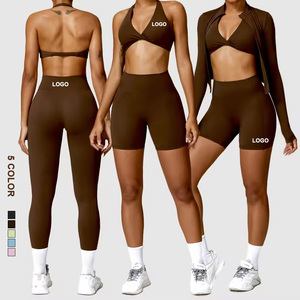
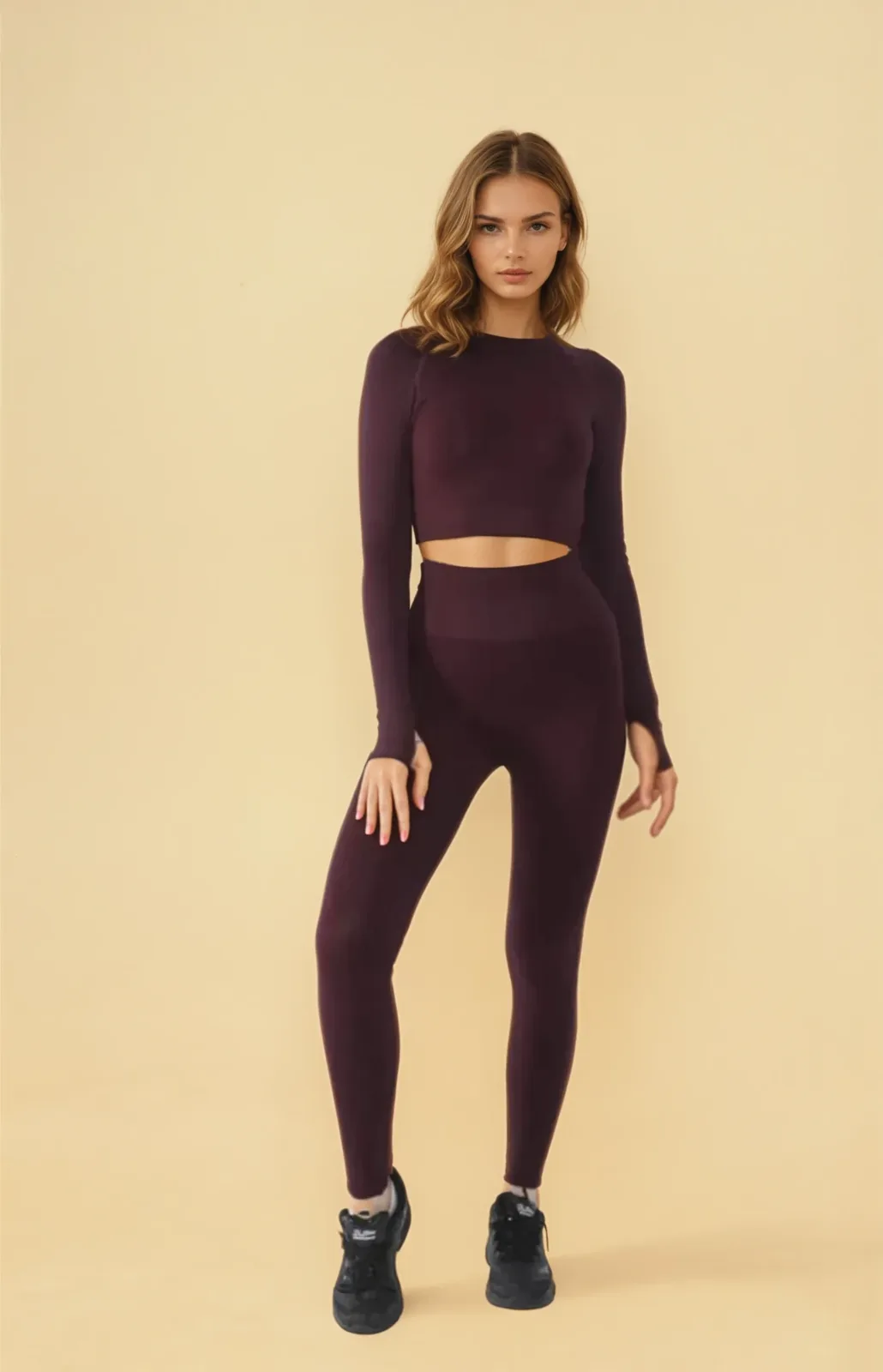
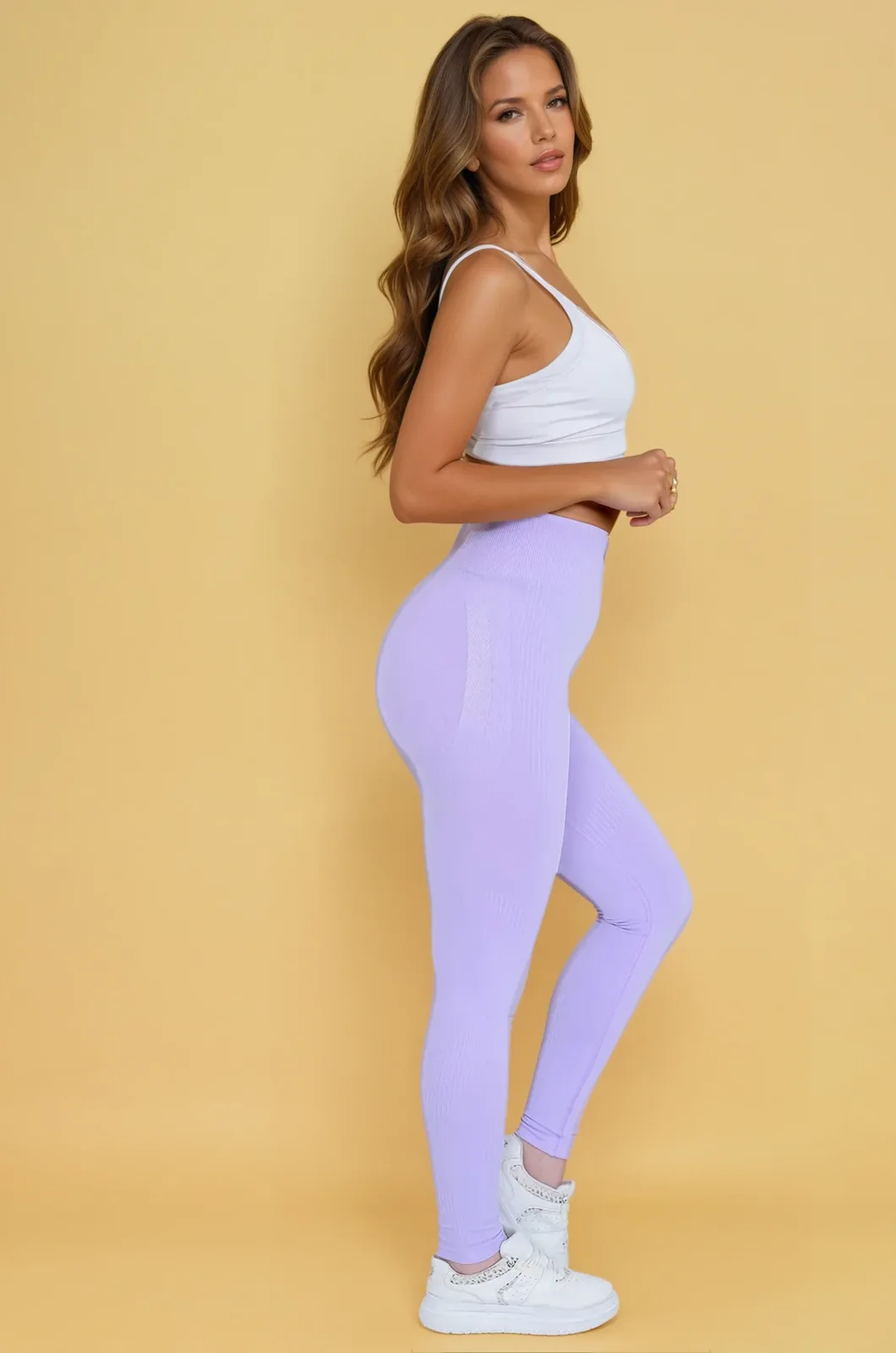
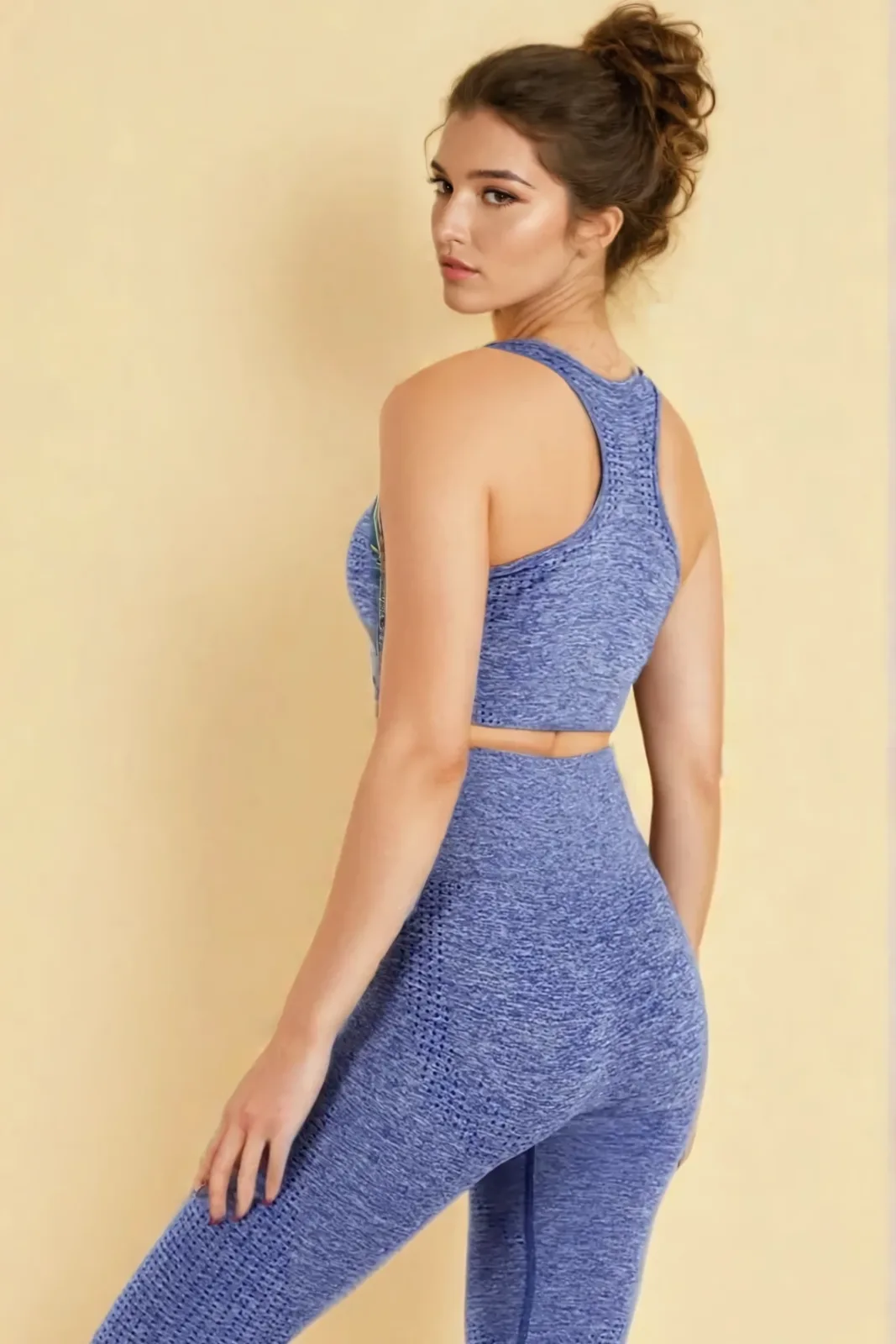
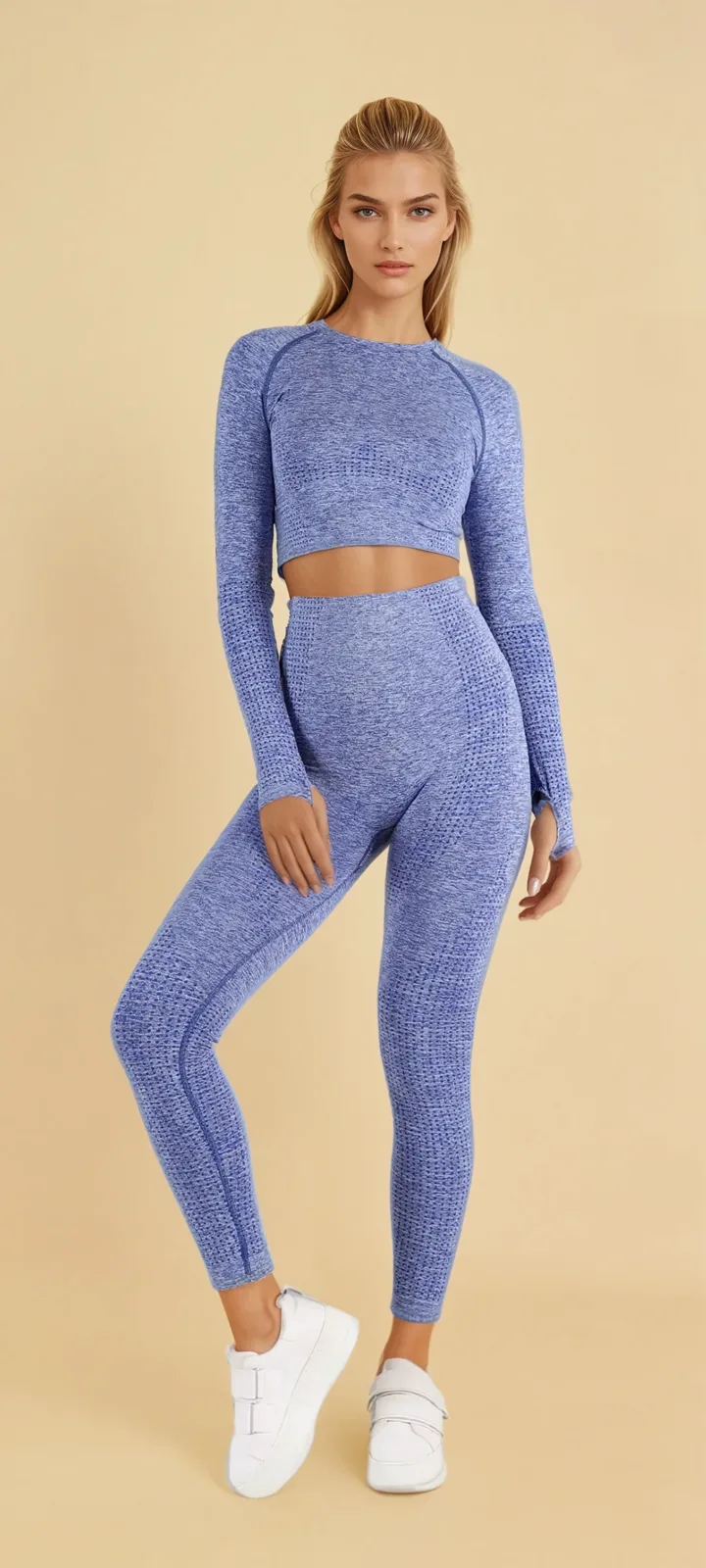
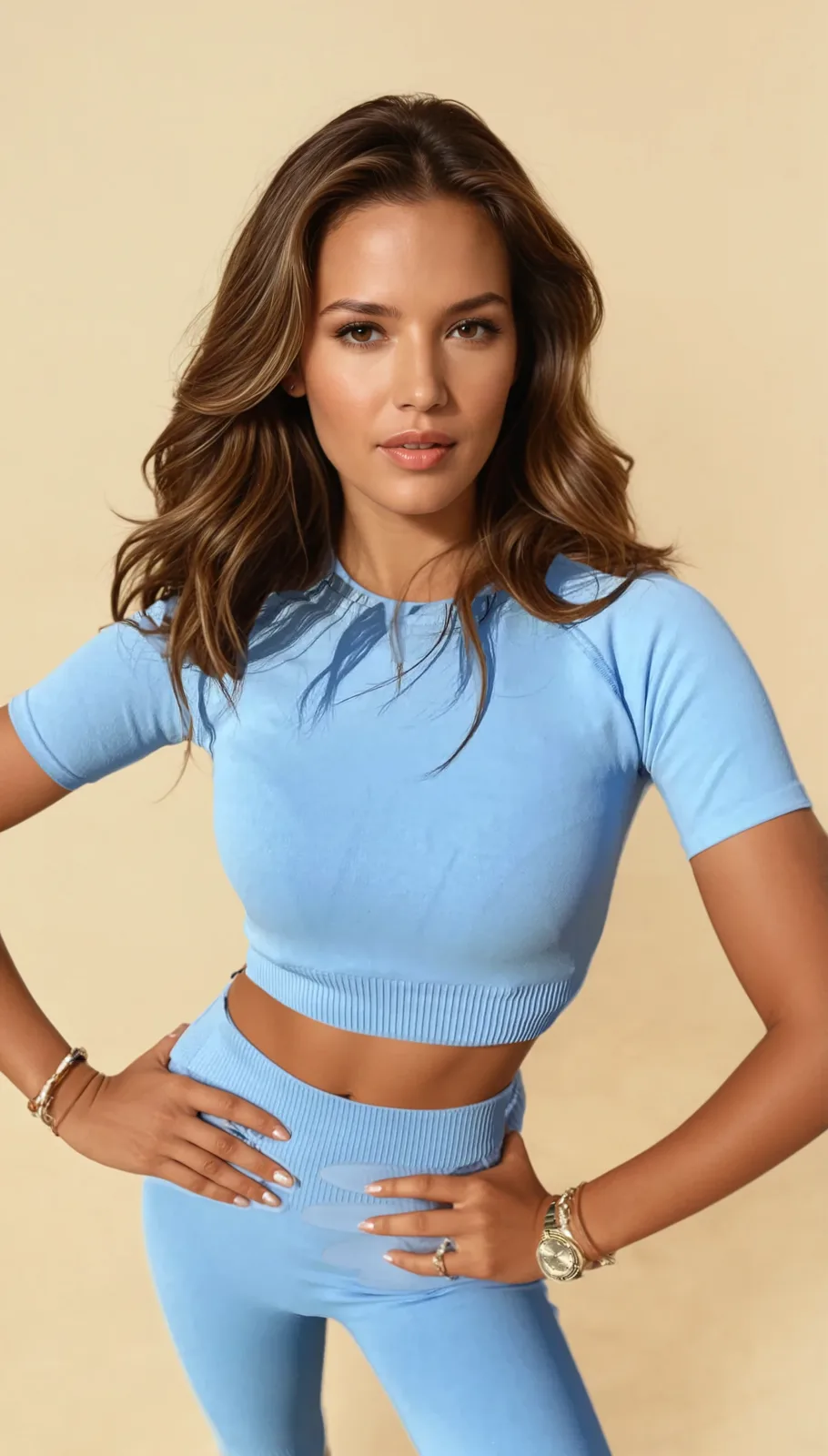
Examine our verified high-performance production lines, from high-impact sports bras and two-piece yoga sets to technical compression bodysuits, manufactured on our specialized seamless machinery.
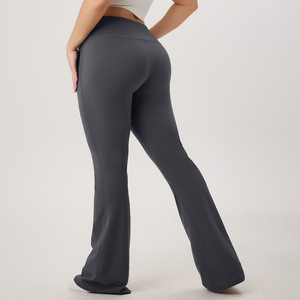
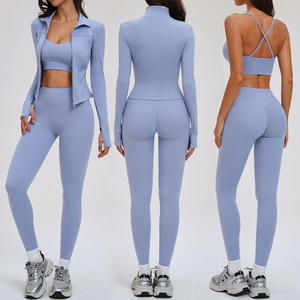
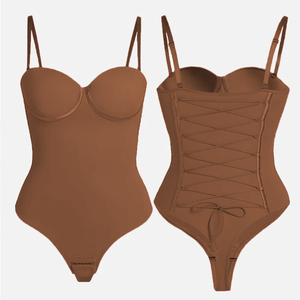
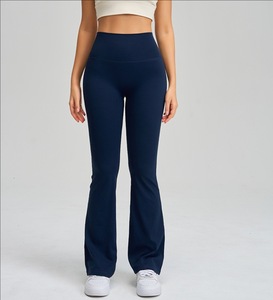
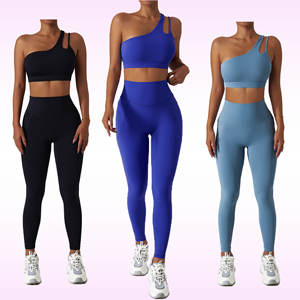
In the high-performance intimate wear sector, the transition from conventional cut-and-sew assembly to 3D seamless circular knitting represents a fundamental paradigm shift in ergonomics, production efficiency, and supply chain speed.
Leading brands across North America and Europe no longer view sports bras as mere cut fabric joined by overlock seams. Modern consumers demand zero skin chafing, targeted micro-massaging rib structures, integrated moisture evacuation, and progressive compression gradients engineered directly into the cylindrical knit structure.
China remains the global epicenter for seamless intimate apparel production, housing the densest concentration of advanced Italian Santoni circular knitting machinery, vertical dyeing and texturizing mills, and integrated bonded-finishing workshops. When sourcing custom seamless sports bras, professional apparel buyers must navigate technical variables including machine gauge (28G vs. 32G), air-jet textured nylon microfibers, elastane plating, and ultrasonic edge bonding.
| Evaluation Parameter | High-Gauge Seamless Circular Knit (Santoni 28G/32G) | Traditional Cut-and-Sew Intimate Apparel | Adhesive Ultrasonic Bonded Bra Construction |
|---|---|---|---|
| Fabric Waste / Scrap | Sub-5% (Knitted directly to tubular ergonomic shape) | 16% – 24% (Marker cut loss from flat yardage) | 12% – 18% (Pattern laser cutting offcuts) |
| Support Zone Engineering | Variable stitch density, tuck knitting, and dual-layer spandex plating | Restricted to cut panel seams, underwires, and rigid boning | Laminated silicone film layers and graduated heat-press bands |
| Chafe Points & Skin Ergonomics | Ultra-smooth tubular surface; 0 side-body friction points | High friction at cross-overlock seams, underarms, and cup joints | Low profile; smooth edges without needle penetration lines |
| Elasticity Recovery (ASTM D4964) | >95% recovery after 300% cycle elongation testing | 80% – 88% (Restricted by rigid stitching threads) | 88% – 92% (Dependent on adhesive film memory) |
| Sampling Cycle | 5 – 7 Days via direct machine programming file updates | 10 – 15 Days (Grading, pattern card plotting, sample cutting) | 12 – 18 Days (Custom heat-pressing molds & bonding jigs) |
Procurement executives must align their seasonal line plans with structural shifts in raw material technology, automation, and environmental compliance frameworks.
Global regulatory pressure, notably the EU Corporate Sustainability Due Diligence Directive, is accelerating the transition to chemically recycled Polyamide 6.6 (Q-NOVA, ECONYL) and castor-oil-derived bio-polyamides. Progressive Chinese factories maintain complete chain-of-custody GRS certification, ensuring brands avoid greenwashing audits while maintaining soft, butter-touch skin feel.
The next frontier in high-support sports bras combines seamless circular bodies with liquid silicone printing and ultrasonic edge bonding. Instead of bulky elastic underbands, factories apply micro-thin, variable-thickness polyurethane films directly to the knitted lower rim, delivering medium-to-high breast bounce control without compressive constrictions.
Utilizing high-speed Santoni SM8-TOP2V machines with automated jacquard selection, manufacturers are integrating real-time moisture release apertures. By alternating hydrophilic polyamides with hydrophobic core-spun yarns, sweat is guided through capillary action to high-evaporation sternum and under-bust mesh zones without weakening support structures.
Forward-thinking custom bra factories are utilizing 3D CLO digital avatar simulations to test compression stress distribution before knitting single yarn cones. This slashes physical sampling rounds from 4 iterations to 1.5, allowing brands to validate cup volume distribution across cup sizes A through F while cutting development timelines by 45%.
Historically limited by high minimum machine setup costs, leading Chinese suppliers have redesigned warper setups and computerized program banks. Independent DTC activewear brands can now secure custom dyed colorways at 500 to 1,000 pieces per style with split sizes, significantly lowering capital risk and dead inventory carrying costs.
Stringent domestic environmental regulations across Zhejiang and Guangdong industrial belts have modernized textile wet processing. Tier-one suppliers operate supercritical CO2 waterless dyeing or low-liquor ratio reactive dyeing, attaining Grade 4.5 color fastness to perspiration, alkaline, and repetitive laundering with zero heavy metal discharges.
Cutting out trading middlemen gives your label direct technical communication with the machine programmers, colorists, and quality control technicians executing your vision.
Our facility operates an in-house fleet of genuine Santoni Top2V circular knitting machines. Each machine is equipped with electronic needle-by-needle selection, 8 yarn fingers per feed, and dedicated bare spandex feeders. This allows continuous variation in compression across the cups, underband, and back wing without cutting or stitching.
Because our programming team sits steps away from the knitting floor, converting your tech pack or reference garment into a proprietary machine code takes under 48 hours. Preliminary fit samples are knitted, scoured, and checked within 5 to 7 days, shaving weeks off conventional development cycles.
Every roll of micro-denier filament is batch-inspected for tensile variance before warping. Finished seamless garments undergo four manual inspection stages: greige tube lighting inspection, post-dyeing dimensional measurement, sewing/trimming review, and final packaging needle-detection.
Clear, unambiguous answers addressing raw material specifications, minimum order structures, tooling, testing standards, and international logistics.
Seamless circular garments shrink and relax differently from cut-and-sew fabrics. Here is the exact technical roadmap our engineers enforce to guarantee size consistency.
Freshly knitted circular tubes contain internal torsional stresses. All greige bodies must rest in temperature-controlled chambers (22°C, 55% RH) for 24 hours prior to wet processing to allow the elastane to stabilize its elastic memory.
Tubes pass through specialized pin-chain stenter frames to pre-shrink and heat-set the polyamide/elastane polymer blend at precisely 190°C–195°C. This fixes the finished tube diameter and prevents uneven length contraction across different dye lots.
Unlike flat garments, seamless bras are inspected across three dimensions: 1) Relaxed flat dimensions; 2) Fully elongated elastic extension under 5kg calibrated load; and 3) Immediate elastic recovery percentage, maintaining a strict ±1.0cm tolerance window.
Send us your tech pack, reference garment sample, or visual mood board. Our senior technical knitting engineers will analyze your yarn count, zone mapping, and grading specs within 24 hours.