
Quick-Dry / Halter
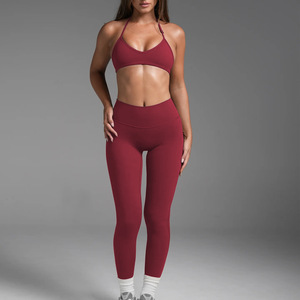
Engineered on calibrated tubular knitting drums. Zero abrasive lateral seams, multidirectional 4-way anatomical stretch, squat-proof opacity, and zone-mapped breathability.
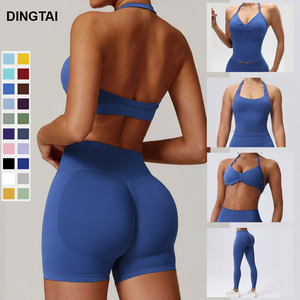
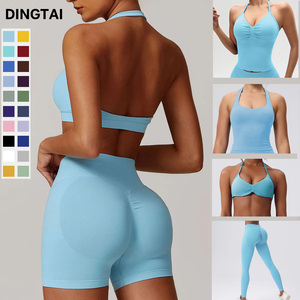
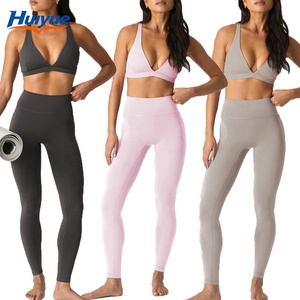
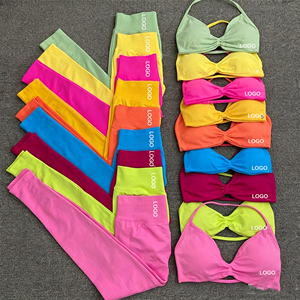
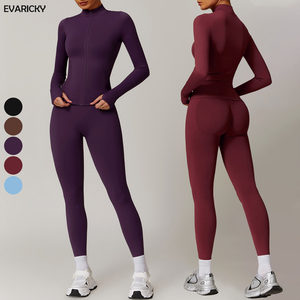
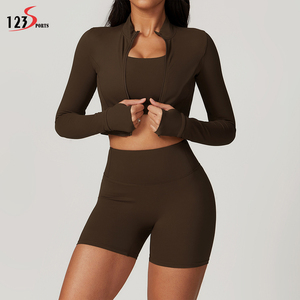
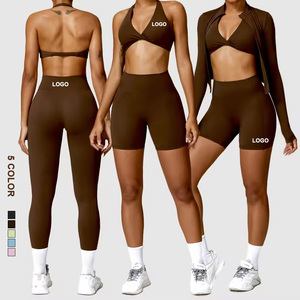
Traditional activewear manufacturing relies on flat fabric laying, computerized grading, blade cutting, and high-labor multi-needle stitching. While cost-effective for loose running apparel, cut-and-sew architecture exhibits systemic failure in dynamic compressive athletic applications: abrasive thread ridge friction, uneven tensile stress accumulation along side seams, and significant fabric marker wastage (frequently surpassing 18% to 22%).
At our industrial facility in Beylikdüzü, İstanbul, Overfit Seamless dismantles this antiquated framework. Operating a fully digitized battery of 20 in-house Santoni Top2V 28-gauge circular knitting machines, our production integrates the garment structure directly from spool to shape. By manipulating loop density, elastic tensioning (air-covered elastane / Lycra), and variable jacquard feeds stitch-by-stitch, a single tubular output transitions organically from compressive abdominal support bands to open micro-mesh aerating sweat zones without a single needle severance or join seam.
| Technical Dimension | Santoni Seamless Circular Knitting (Overfit Standard) | Conventional Cut-and-Sew Assembly |
|---|---|---|
| Structural Integrity | Continuous tubular loop architecture; zero lateral seams to rupture under multi-axial tensile strain. | Panels connected via flatlock or 4-needle overlock; seams present primary shear rupture points. |
| Dermal Tribology (Chafe Index) | Ultra-low friction inner face; flush elastomeric transitions eradicate repetitive chafing during endurance athletics. | Thread protrusions and interior tape lines create pressure points and skin abrasion under heavy perspiration. |
| Zonated Functionality | Graduated compression, ribbing, openwork eyelets, and contour textures programmed directly into code. | Requires multiple panels stitched together, drastically inflating labor, thickness, and points of defect. |
| Raw Material Utilization | Knitted to shape; post-knit trimming restricted strictly to leg openings and armholes (< 3.5% waste). | Planar cutting leaves massive marker scrap; average offcut textile waste exceeds 18%–24%. |
| Batch Color Uniformity | Tops, bras, and leggings knitted simultaneously from identical poly/polyamide yarn lots and dyed concurrently. | High risk of batch differential shade variation between separately purchased fabric rolls. |
Eliminate intermediate brokerage risks. Direct factory floor transparency, zero outsourced knitting, and unmatched Eurasian supply chain positioning.
We do not broker or farm out knitting orders to downstream subcontractors. Our floor in Istanbul houses 20 top-tier Santoni machines run by senior textile technicians, ensuring exact compression compliance across every single lot.
Because machine code generation, yarn creeling, and sample knitting take place on our own premises, rapid design iterations, fit adjustments, and counter-samples are executed within days rather than months.
We source virgin Polyamide 6.6, air-jet textured nylon, moisture-wicking micro-polyester, and certified recycled threads (GRS) engineered explicitly to avoid sheen, prevent grin-through, and guarantee complete squat-proof opacity.
Positioned in Istanbul, our freight moves to European metropolitan hubs in 3–6 days via road transport, and reaches US ports without the volatile trans-Pacific shipping bottlenecks characteristic of Southeast Asia.
Taking advantage of Türkiye’s customs agreements with the European Union, activewear brands benefit from streamlined border clearances, zero industrial import tariffs on qualifying textiles, and transparent documentation.
Cross-cultural commercial execution with dedicated project heads speaking native English, Turkish, and Russian. Direct engineering access prevents spec misunderstandings from tech pack to production approval.
Procurement leaders in athleticwear are shifting focus away from lowest nominal cut-and-make pricing. Macroeconomic fluctuations, port congestion risks, digital product passports (DPP), and stringent EU sustainability standards (ESPR) are rewriting sourcing mandates. Activewear brands seeking defensible market share must account for three critical industry evolutions:
The era of committing capital to 120-day ocean transit cycles with 10,000-piece single-color MOQs is closing. Brands are prioritizing agile manufacturing hubs situated within 5–7 transit days of core distribution centers. By producing baseline collections of 1,000 units per style (split across sizes and seasonal colors), brands preserve liquidity, test colorways dynamically, and initiate quick repeats based on real-time checkout analytics.
Environmental compliance mandates are pushing performance wear beyond basic recycled PET bottles toward closed-loop circular nylon (PA 6 regenerated from fishing nets and carpet remnants) and castor-bean-derived bio-polyamides. In-house circular knitting provides the precise tension regulation required to knit these delicate sustainable polymers without yarn breakages or surface pills.
Consumers demand garments that function seamlessly across strength training, pilates, recovery, and lifestyle wear. Future seamless designs lean heavily into variable-density air knitting: high micro-rib waistbands for diaphragmatic stability, diamond crotch gusset engineering to eliminate tension binding, and posterior push-up weave geometries engineered without silicone inserts.
Technical clarifications, commercial terms, and factory protocols for sourcing directors, brand founders, and apparel product developers.
Connect directly with our engineering and procurement desks in Istanbul. Submit your tech pack, physical sample references, or target product sketches for an immediate technical assessment, yarn evaluation, and transparent commercial quotation.
Factory Direct · 20 Santoni Units · CE & ISO 9001 Audited Protocols · Istanbul, Türkiye