0%

A reliable seamless biker shorts manufacturer is not simply a factory with smooth product photos and an attractive price. The real test appears in the sample room. Check the waistband recovery, seam transitions, fabric opacity, and whether the leg openings stay flat after repeated stretching. Small details matter. A waistband that rolls during a squat can turn a polished sample into a costly production problem.

Quality-management expert Philip Crosby wrote, “Quality Is Free,” a useful principle for evaluating apparel suppliers. In practice, careful development may cost more time upfront, but it can prevent inconsistent sizing, fabric waste, and delayed orders. Ask how the manufacturer controls yarn tension, knitting density, dye-lot consistency, and inspection records. Request a size set, not just one flattering sample. Then compare measurements and workmanship across sizes. A factory’s answers should be specific, documented, and easy to verify.

This guide explains how to assess production capability, sample quality, communication, minimum order quantities, and delivery planning before committing. It also considers questions buyers sometimes skip, such as who handles defects and how changes are approved. No supplier is perfect. I would still look for evidence, not confident promises. A dependable seamless biker shorts manufacturer should explain its process clearly, provide realistic timelines, and welcome sensible questions about performance and quality.
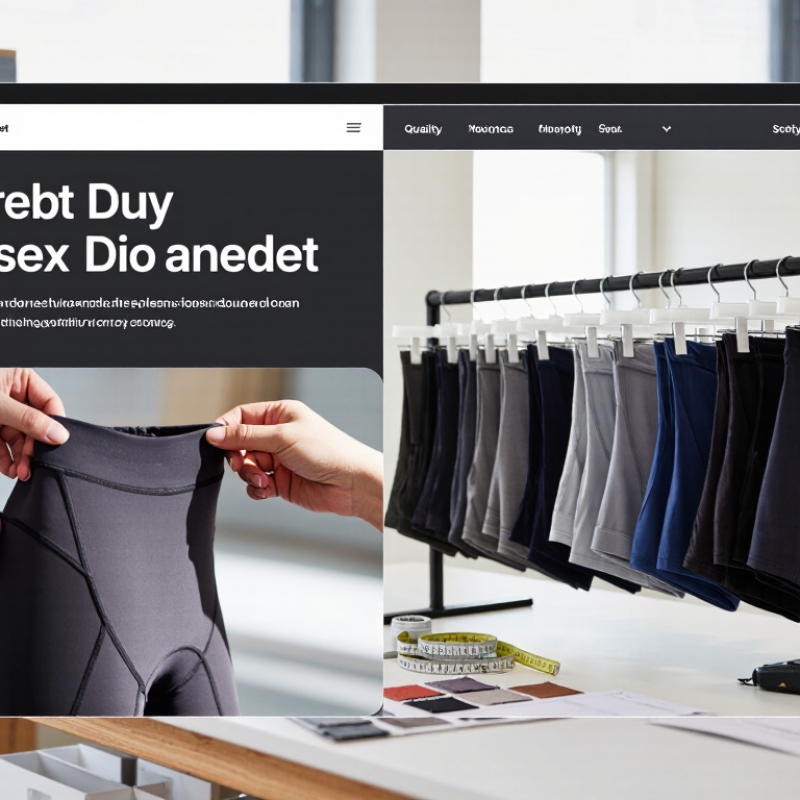
How to Find a Reliable Seamless Biker Shorts Manufacturer?

Define Your Seamless Biker Shorts Requirements

Define the wearer and workout before contacting a seamless biker shorts manufacturer. Specify whether the shorts are for cycling, studio classes, or daily wear. These uses need different compression, coverage, and mobility. Record the size range, inseam length, waistband height, and preferred rise. Add a reference garment or annotated sketch. “Good stretch” is not a usable specification.

Set measurable fabric and fit targets. State the fiber blend, fabric weight in GSM, compression level, and acceptable sheerness under a squat test. Ask for stretch-and-recovery results after repeated extension, plus wash testing. The Textile Exchange Materials Market Report 2024 estimates global fiber production reached 124 million tonnes in 2023, with polyester representing a major share. That scale makes fiber choices worth specifying, but recycled content alone does not prove durability. Confirm yarn details and testing methods with the factory.

Describe construction details, too: knitted compression zones, gusset shape, leg opening finish, and waistband stability. The Grand View Research Sports Apparel Market report estimates a 6.8% compound annual growth rate for 2024–2030. That forecast signals a growing category, not a guarantee of product fit. Leave room to revise tolerances after sampling. The first brief may still miss a pressure point or ride-up issue. Test it on different bodies. Ask the manufacturer to record sample measurements, corrections, and fabric-lot variations before bulk production.

Research and Shortlist Potential Manufacturers

Research and Shortlist Potential Manufacturers

Start with factories that specifically produce seamless activewear, not general knitwear. Ask whether they operate circular knitting machines suited to biker shorts and can control waistband compression, opacity, and seam transitions. Request a technical pack review, sample timeline, minimum order quantity, and monthly capacity in writing. Textile Exchange’s Materials Market Report 2024 estimates global fiber production reached 124 million tonnes in 2023, with output projected to reach 160 million tonnes by 2030. This scale makes clear yarn traceability and material specifications worth checking, though the report does not rate individual factories.

Compare at least three candidates using the same brief and scorecard. Check fabric weight, stretch recovery, squat-test opacity, wash results, defect limits, and color consistency across samples. Ask for recent production references and evidence of quality-control procedures; confirm that any audit or certificate covers the actual facility and process you intend to use. A polished showroom can still hide weak production controls. I would not treat one perfect sample as proof of reliable bulk output. That part is easy to overlook.

Tips: Send each factory the same fabric, color, size, and packaging requirements. Keep dated sample notes, including waistband roll, inner-thigh chafing, and measurements after washing.

How to Find a Reliable Seamless Biker Shorts Manufacturer

Research and shortlist potential manufacturers using a weighted evaluation framework.

These suggested weights prioritize product-specific expertise and sample quality. Compare manufacturers using verifiable evidence, such as relevant product samples, factory capability details, compliance documents, written quotes, and confirmed lead times. Adjust the weights to match your order requirements; they are a practical framework, not industry survey results.

Assess Manufacturing Capabilities and Quality Controls

Assess whether a seamless biker shorts manufacturer can control the whole process, not just operate knitting machines. Ask about machine gauges, available sizes, yarn feeding, and monthly capacity. Request a sample in your intended fabric and check its waistband tension, leg openings, and opacity under stretch. Textile Exchange’s Materials Market Report 2024 estimates that global fiber production reached 124 million tonnes in 2023, with polyester making up about 57%. That scale makes traceable yarn records and consistent lot control important. Big numbers alone prove little.

Quality controls should be visible and repeatable. Ask how incoming yarn is checked for denier and shade, and whether finished shorts are tested for stretch recovery, colorfastness, pilling, and dimensional change after washing. Request dated test reports, inspection records, and the acceptance limits used for each order. Independent laboratory results can help, but confirm that the tested fabric matches your sample and production lot. A polished sample is not a quality system.

Tips: Send a clear measurement sheet and approved reference sample. During a factory visit, watch operators inspect fabric under bright light and record defects. Ask what happens when a batch fails. The answer may reveal more than a sales presentation. Even careful controls cannot prevent every variation, so agree on tolerances before production.

Verify Samples, Certifications, and Supplier Reliability

A sample can look flawless on a hanger and still fail during a workout. Check the waistband recovery, seam comfort, and fabric opacity under bright light. Measure the waist, hip, inseam, and leg opening, then compare them with the size chart. Wash the shorts several times and note pilling, color changes, or loose threads. Small details matter.

Ask the manufacturer for certificates relevant to the fabric and production process. Check the certificate holder, scope, issuing organization, and expiration date; a document alone is not proof of current compliance. Request test reports for stretch recovery, colorfastness, and fabric composition when these affect your product requirements. Confirm that the tested material matches the sample and intended bulk order. This step is easy to overlook.

Supplier reliability shows up in ordinary communication. Do they answer questions clearly, provide realistic lead times, and explain how they handle defects? Ask how production lots are inspected and whether you can review a pre-production sample. Keep specifications and approvals in writing. One sample is not enough. I would also ask what happens when bulk garments differ from the approved sample; the answer may reveal gaps in quality control, even if the factory’s presentation seems polished.

Compare Terms and Select the Right Manufacturing Partner

A reliable seamless biker shorts manufacturer should be compared on written terms, not just the quoted unit price. Ask for the minimum order quantity, sample cost, production lead time, payment schedule, and rules for repeat orders. Check whether the quote includes yarn, trims, packaging, and freight, or leaves these costs open. A low price can become less attractive when key details appear later.

Review the sample against your tech pack. Check waistband recovery, seam placement, fabric weight, and how the shorts feel after washing. Request the manufacturer’s inspection steps and ask what happens if measurements fall outside agreed tolerances. Specific remedies are more useful than a general promise of quality. Not enough. Ask who approves changes and how they are recorded; unclear communication can cause avoidable delays.

Compare capacity with your launch plan, then confirm timelines in writing. A factory that accepts a large order may not have enough time for careful sampling or corrections. Speak with the people handling development and production, not only a sales contact. Notice how clearly they answer practical questions. I would not treat a polished presentation as proof of reliability; it is easy to overvalue appearance. Sometimes, the small details are the harder part. Choose the partner whose terms are understandable, verifiable, and realistic for your product.

How to Find a Reliable Seamless Biker Shorts Manufacturer? - Compare Terms and Select the Right Manufacturing Partner

Term to Compare What a Reliable Offer Should Specify Questions to Ask Warning Signs How to Verify
Seamless Construction Which parts are knitted as one piece and which areas, such as the waistband, gusset, or hems, require sewing or finishing. Can you provide close-up photos or a sample showing the garment construction and inside seams? “Seamless” is used as a blanket claim without explaining the construction. Inspect a physical sample inside and out; confirm construction details in the product specification.
Minimum Order Quantity (MOQ) Separate minimums for each style, color, size range, and custom fabric or trim, plus any sample-order requirements. Does the MOQ apply per color or across the full order? Are smaller trial orders available? MOQ is unclear, or extra charges appear after the order is placed. Request a written quotation that lists quantities and any setup, sampling, or color charges.
Fabric Specification Fiber composition, fabric weight, stretch and recovery expectations, opacity requirements, and color or finish details. What fabric composition and weight are proposed, and can you provide the fabric specification or test information? Fabric is described only as “premium” or “high stretch,” with no measurable specification. Approve a sample and request relevant test reports for the agreed fabric and performance requirements.
Fit and Size Range A size chart with garment measurements, measurement tolerances, grading details, and the method for approving fit. Will you make a fit sample in the intended fabric, and how are revisions handled? Production sizing is based on a generic chart without a confirmed sample or tolerances. Review and measure the fit sample against a signed specification before bulk production.
Sampling and Development Sample cost, included revisions, sample timeline, shipping arrangements, and how the approved sample is recorded. Will the bulk order follow the approved sample and specification? How are changes documented? Verbal promises replace written sample approvals or revision records. Keep a dated, approved reference sample and written records of all design and material changes.
Production Lead Time Separate estimates for sampling, material sourcing, bulk production, and dispatch, with the start point for each estimate. When does the production clock begin, and how will delays or material shortages be communicated? A single delivery estimate is given without milestones or assumptions. Request a written production schedule and confirm it accounts for sample approval and material availability.
Quality Control Inspection stages, defect definitions, measurement tolerances, inspection records, and the process for handling rejected goods. Do you inspect during production and before shipment? Can inspection criteria be agreed in advance? Quality is described as “checked” with no process, records, or agreed acceptance criteria. Agree on written quality requirements and consider an independent pre-shipment inspection.
Performance Testing Tests matched to the intended use, such as stretch and recovery, colorfastness, wash performance, or opacity where relevant. Which tests can you arrange, and are the results from the actual fabric or finished garment? Broad performance claims are made without identifying the test method, sample, or result. Request dated reports from a competent laboratory and check that tested materials match the order.
Labeling and Compliance Agreement on fiber-content, care, size, and country-of-origin information required for the intended sales markets. Who supplies and checks labels, and can you support the requirements for each destination market? The supplier assumes one label format or set of rules works in every market. Confirm labeling requirements for the destination market with the relevant regulator or qualified compliance adviser.
Price and Payment Terms Itemized unit price, currency, included services, extra charges, deposit and balance terms, and payment milestones. What costs are excluded, and when are payments due in relation to sampling, production, and shipment? Unitemized pricing, changing payment instructions, or pressure to pay an unrelated account. Compare written quotations on the same specifications and verify payment details through a trusted contact.
Shipping and Incoterms® Named delivery point, agreed Incoterms® rule and version, shipping mode, estimated transit time, and responsibility for costs and risk. Who arranges freight, export clearance, insurance, and import duties under the proposed shipping term? “Shipping included” is offered without stating the delivery point or who handles import charges. Put the specific Incoterms® rule, named place, and version in the quotation or purchase contract.
Communication and Documentation A clear point of contact and written records for specifications, approvals, order changes, production updates, and shipping documents. Who owns each production-stage update, and what documents will be provided before dispatch? Important terms are discussed only in informal messages or are repeatedly changed without records. Use a written purchase order and keep approved specifications, sample records, invoices, and shipping documents together.

Terms and production capabilities vary by factory, fabric, order size, and destination market. Compare written quotations against the same product specification, and confirm all commercial, quality, and delivery terms before placing a bulk order.

FAQS

What should I look for in a seamless activewear factory?

Choose a factory experienced in seamless activewear, not just general knitwear. Ask about circular knitting machines, waistband compression, opacity, and seam transitions. Request written details. Keep them.

How can I compare potential manufacturers fairly?

Send at least three factories the same product brief. Compare fabric weight, stretch recovery, squat-test opacity, wash results, defects, and color consistency. One perfect sample proves little.

What should I check on a biker shorts sample?

Check waistband roll, leg openings, opacity when stretched, and seam placement. Wash the sample, then measure it again. Note inner-thigh chafing, too.

How can I assess a factory’s quality controls?

Ask how incoming yarn is checked for denier and shade. Request dated records for stretch recovery, colorfastness, pilling, and changes after washing. Ask for acceptance limits.

Do certificates or laboratory reports guarantee product quality?

Not by themselves. Confirm that any certificate covers the facility and process you plan to use. Check that test results match your fabric and production lot.

Which order terms should I confirm in writing?

Get the minimum order quantity, sample cost, lead time, and payment schedule. Confirm whether yarn, trims, packaging, and freight are included. Open costs can surprise you.

What should happen if production falls outside agreed measurements?

Agree on tolerances and specific remedies before production. Ask who approves changes and how each change is recorded. A vague quality promise is not enough.

How can I judge whether a factory’s capacity fits my launch?

Compare its monthly capacity and timeline with your order plan. Speak with development and production staff, not only sales. A polished showroom can distract. I might still miss something.

Conclusion

Finding a reliable seamless biker shorts manufacturer starts with a clear product brief. Define the fit, fabric, compression, inseam, colors, size range, target cost, and expected order volume before contacting suppliers. Then research potential manufacturers and create a shortlist based on their experience with seamless activewear, communication, production capacity, and ability to meet your requirements.

Assess each candidate’s equipment, development process, quality controls, and consistency across production runs. Request samples to evaluate comfort, stretch, stitching, sizing, and finishing, and verify relevant certifications and references where appropriate. Finally, compare quotations, minimum order quantities, lead times, payment terms, and policies for revisions or defects. A careful, step-by-step review helps you choose a manufacturing partner that can deliver dependable quality, communicate clearly, and support your product plans as they grow.


Ethan Carter

Ethan Carter

Ethan Carter is a dedicated marketing professional with a strong understanding of the company’s products, services, and long-term business vision. With a background in strategic communication, market research, and content development, he transforms complex product information into clear, practical,......